Fence Installer vs. DIY: What Melbourne Homeowners Get Wrong
Melbourne home owners love the idea of a "quick weekend upgrade." A fencing feels uncomplicated till you're standing there with a roll of string, a bag of concrete that's beginning to go off, and a neighbour's border line that turns out to be less evident than the council map promised. I've enjoyed do it yourself fencings go from enthusiastic to pricey in a single mid-day, and I have actually also seen the other side, where hurried installs by the incorrect "Fence installer" develop into years of upkeep headaches.
So this is the genuine contrast: Fence installer work done properly versus do it yourself excitement done without the dull details that in fact choose whether your fence holds up in Melbourne weather.
Let's discuss what individuals misunderstand, why it matters, and what to do instead.
The surprise factor DIY fences fall short: Melbourne's dirt and drainage
A great deal of fencing talk concentrates on appearances, wood species, and whether the posts are straight. Those things issue, however they're not the major factor do it yourself work struggle in Melbourne. The larger issue is ground conditions.
Melbourne can swing from saturated soil after winter tornados to completely dry, changing ground in summertime. If you establish blog posts in the incorrect deepness, without thinking about water motion, the fence can loosen even when everything looks "fine" on day one. Timber expands and contracts, steel blog posts can wear away at the base when wetness gets caught, and concrete can split if the surrounding dirt moves.
I remember helping a companion fix a do it yourself timber fencing at a rental area in inner Melbourne. The posts were "in the ground," the rails were "wonderful and limited," and the pickets were straight when the sun was out. Two months later, after a hefty run of rainfall, the lower voids altered, and the whole run had an obvious sway. When we excavated one corner, the concrete had actually generally developed a difficult plug in soft, changing soil, and water had discovered a path around it. The fencing really did not fail because the carpenter abilities were terrible. It stopped working due to the fact that the ground was doing what the ground does.
An appropriate fence install in Melbourne is rarely one-size-fits-all. The fencing installer Melbourne homeowners choose must be thinking about water drainage, article depth, neighborhood dirt behaviour, and just how water will certainly kick back the base.
"It'll be fine due to the fact that the messages are set" is one of the most usual misconception
People think the important part is affixing rails and cladding. Actually, the blog posts are the whole task. If the posts are wrong, the rest comes to be damages control.
Common DIY blog post errors I see:
- Digging holes as well superficial to conserve time
- Backfilling without compacting, leaving gaps that later on settle
- Not monitoring vertical alignment prior to the concrete sets
- Skipping bracing and letting timber rails pull messages out of plumb as you work
- Ignoring just how a fence line climbs up a slope, and "requiring" panels to fit
When you work with Fence installers or Fencing installers, you're usually paying for a system: gauging appropriately, establishing positioning early, supporting via cure time, and making use of materials that match the task. A great Fence installer Melbourne won't just turn up with devices, they'll show up with a prepare for levels, boundaries, and weather conditions.
DIY can work, however it requires greater than the right screws and enough excitement. It needs cautious geometry and patience.
Boundaries are not feelings: the neighbor problem that turns fencings right into disputes
This is the component nobody intends to hear when they're looking at a garden that "should have" a fencing. However limit problems are real, and Melbourne has a lot of streets where the border line in practice doesn't match what people presume from secure fencing that's been there for decades.
DIY jobs commonly begin with "that's where the old fence used to be," or "the council map reveals it there," or "the neighbour said it's fine." Those are all dangerous shortcuts. If you mount even slightly over the boundary, you might activate conformity problems, and much more notably, you may produce a long-running neighbor disagreement that does not remain polite.
A Fence installers Melbourne job done properly usually includes appropriate border monitoring and a concurred positioning. That does not indicate you need to be combative, it means you should confirm where the fencing needs to sit before you commit. If your chosen Fence installer Melbourne is professional, they'll be comfortable speaking with this very early instead of treating it like an afterthought.
One proprietor I spoke to had a do it yourself fence constructed based upon a "basic line." Eviction wound up turning right into the neighbour's area. The fence still looked good, however the everyday aggravation eroded the connection. Repairing it meant moving posts and paying once more for materials and labour. The cost didn't just double, it extended across months.
If you're thinking do it yourself, deal with limits like a technical task, not a social agreement.
The genuine difference between "looks straight" and "remains straight"
Melbourne fencings take care of wind. Coastal salt air in some suburbs makes corrosion worse. Thick country streets channel gusts. Even inland, tornados can press fence lines sideways.
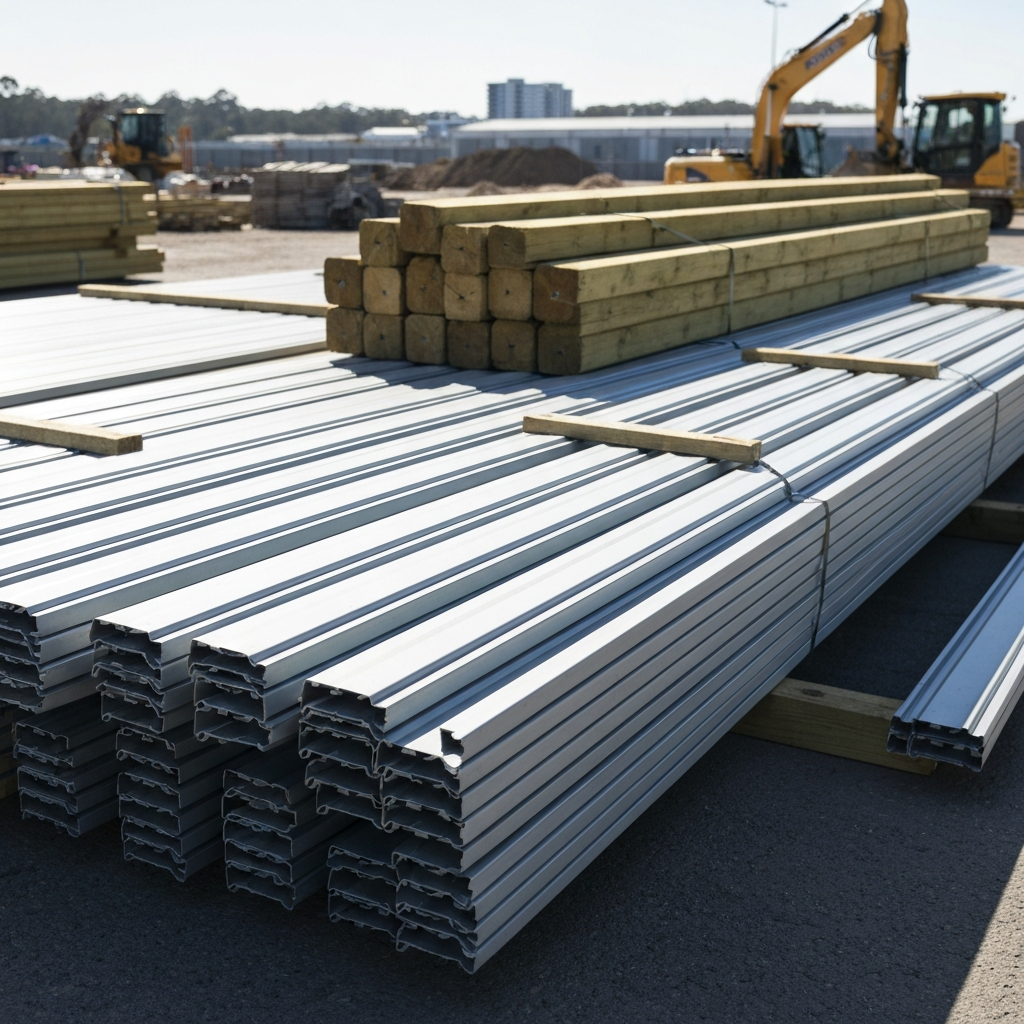
That's why the most effective Fence installer work often tends to include bracing, right rail spans, and hardware that matches the lumber. DIYers typically build for how the fencing looks quickly after installment, not for just how it acts after the first big climate event.
Here's what I indicate by "remains directly":
- Posts are straightened and braced while the concrete cures
- Rails aren't overwhelmed past the advised spans
- Fasteners are corrosion-resistant and properly spaced
- Gates are supported correctly, or they'll rack and drag
- The fence is developed to flex a little, instead of standing up to every force rigidly
A Fencing installer Melbourne group will generally understand how various fence designs act. A palisade or close-board design can act in different ways from a paling fencing. Even height distinctions and panel spacing impact wind pressure and just how the fencing tons its posts.
DIY can absolutely accomplish a straight appearance, yet sturdiness comes from design reasoning. Not heavy design, simply functional restraint.
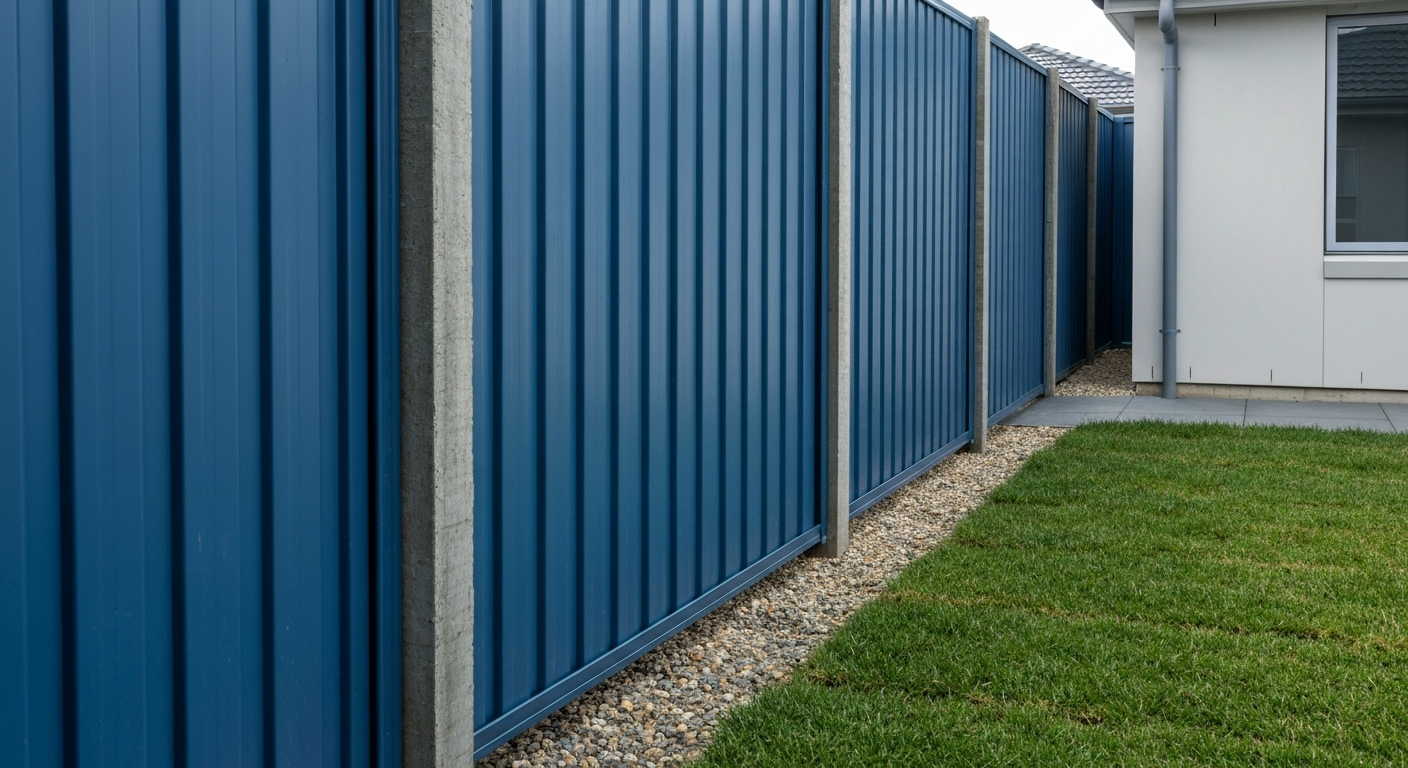
Concrete is not "much more is much better," and that's another do it yourself trap
Concrete often tends to obtain dealt with like a magic bullet. People pour a thick mix due to the fact that they assume it makes blog posts unmovable. Yet concrete that's exaggerated can really worsen troubles if it does not match dirt conditions.
If the bordering soil is soft and reactive, way too much concrete can produce a rigid area that cracks or separates at the user interface. When water freezes in colder breaks or when soil shifts after heavy rain, that hard base can damage the blog post settlement pattern. The result is a fencing line that slowly transforms angle.
Meanwhile, inadequate concrete or no appropriate backfill compaction results in negotiation and wobble. So of course, concrete issues, but the right amount, proper positioning, and appropriate mix issue too.
This is where paying a respectable Fence installers team can be worth it. Their procedure often tends to represent uniformity, treating behaviour, and appropriate post footings. A do it yourself task often varies with weather and interruptions.
If you have Additional hints actually ever before watched a job where a person maintains "inspecting swiftly," you'll understand how very easy it is to wind up with inconsistent positioning and established times. With Fencing installers Melbourne, the workflow tends to reduce those inconsistencies.
Timber and metal are not interchangeable, and "whatever's for sale" can cost more
A fencing is a long-lasting structure. Lumber option affects lifespan, however likewise just how it relocates. Some timbers are much more steady than others. Treated lumber requires time and correct fixing techniques, and it needs to be installed in a way that allows moisture monitoring, not trapping water in poor places.
Metal parts bring their own concerns. If you mix affordable equipment with an environment that's damp for months, corrosion turns up initially at the bolts and blog post bases. That corrosion increases under tons and loosens joints.
I have actually seen DIY fences where the boards looked wonderful on set up day, however the very first heavy tornado made rails sag since the repairing system really did not match the expected tons. Not every problem is noticeable until you emphasize the fence.
A professional Fencing installer will usually match:
- board thickness and spacing
- rail sizing and spans
- fastener type and coating
- post sizes to fencing elevation and wind exposure
It's not about trademark name. It's about matching the entire setting up so each component does its job.
Permits and compliance: the component that's "monotonous" until it is n'thtmlplcehlder 110end.
In Melbourne, secure fencing can fall under rules about elevation, positioning, and border needs. Demands can differ based upon home type and place. Some jobs might require approval, and some might need details conditions. If you disregard this and develop something that doesn't conform, you can end up paying to get rid of or alter work.
Professional Fence installer Melbourne services generally know just how to deal with conformity checks. DIY owners usually only discover these actions after the materials show up, the openings are dug, and the fencing is midway up.
If you're identified to do it yourself, start with conformity first, not last. That implies understanding local requirements prior to you acquire articles and rails. The "weekend break fence" comes to be a "months-long repair" when you need to eliminate it to comply.
Time is the real budget: what homeowners underestimate
DIY isn't cheaper even if the work cost looks smaller sized. It's cheaper just when the job goes smoothly, materials are proper, measurements are accurate, and weather condition cooperates.
Most fencings are not best rectangular shape installs. You'll handle:
- slopes
- uneven boundaries
- existing yard features
- old footings or shock roots
- gate placement and driveway crossings
The hours stretch promptly. Whenever you quit to re-measure, change string lines, drill new holes, or change a board that split, you're paying indirectly. If you've got a full time job, those disturbances also become chance cost.
Meanwhile, a Fence installers team might still make sure and time, yet they have a tendency to have the operations to maintain momentum. That's partially ability, partly tools, partially planning.
A do it yourself work that takes one weekend can still become a five-week project when you consider treatment time, remodel, shipment delays, and weather.
Where DIY in fact makes sense (and when it doesn't)
Let's be fair. DIY fence is not immediately a bad idea. There are situations where a house owner can provide a solid outcome, especially on little sections with very easy accessibility and straightforward ground.
I'm likewise not stating you need a huge commercial team for every single yard border. If you're comfortable with determining, can work safely, and can construct meticulously, you might attain something you're proud of.
But if you're taking care of a future, irregular ground, an entrance system, or complicated limit conditions, DIY tends to become costly through errors, not with the work you saved.
A great general rule:
- If the fence line is easy, you may do it yourself parts and minimize labour.
- If it's intricate, employ a Fence installer Melbourne and book DIY for secondary tasks like cutting, paint, and planting around the brand-new fence.
This method you prevent the most structural risks, yet still keep some ownership over the final look.
Cost catches: how "economical" do it yourself and "inexpensive" installers both end up costing the same
Homeowners compare quotes and focus on the noticeable number: fencing height, variety of panels, products. That's reasonable, however it misses the cost motorists that matter.
One of the most significant expense vehicle drivers is rework. Low-cost do it yourself raises the chance you'll repair:
- misaligned posts
- incorrect periods and drooping rails
- hardware incompatibility
- gate issues
- compliance adjustments
And low-cost installers can do the same via faster ways:
- skipping supporting or rushing alignment checks
- inconsistent post spacing
- using much less ideal fixings
- poor website preparation
The pleasant place is not "most pricey" and it's not "lowest quote." It's worth, which typically turns up as clear extent, practical products, and a procedure that safeguards alignment and durability.
If a Fence installer offers you a vague quote without detail concerning blog post depth, footing method, materials, or just how degrees will certainly be taken care of, that vagueness is a risk. A Fence installers Melbourne specialist ought to have the ability to discuss the approach and what they anticipate from the site.
Practical checks you can do before you devote (DIY or hiring)
If you're employing, you wish to validate proficiency without barbecuing someone like a courtroom witness. If you're DIYing, you intend to be straightforward about whether your plan can take care of the site.
Here are a few focused concerns and checks that save actual cash later:
- Ask how they set blog posts for your site conditions, specifically drain and slope.
- Confirm what materials they utilize for articles, rails, and fasteners, and whether equipment is corrosion-resistant.
- Check exactly how placement and degrees are taken care of, especially around gateways and corners.
- Make certain they discuss border positioning and exactly how they confirm the fence line.
- For do it yourself, test your measurement procedure on a small section before you devote to the entire run.
This isn't nitpicking. It's fundamental due persistance, and it's how you stay clear of spending for a fencing that looks okay but behaves severely in a Melbourne storm.
The gate is where fences most likely to die
People focus on panels and pickets. Gates are where positioning errors expose themselves.
A gateway is a relocating component under load. It needs proper spacing, solid joints, and post strength that makes up the take advantage of forces. If you mount a do it yourself gate without careful supporting and hinge positioning, eviction can:
- sag over time
- rub or bind as the latch placement shifts
- swing erratically in wind
- stress rails and pull articles out of position
Professional Fence installers understand that entrances are not simply "an additional section of fence." They commonly intend joint supports and make certain there's enough architectural honesty at the post location.
If your fencing line includes a driveway gate or a side gateway with frequent usage, it's typically worth hiring a fencing installer Melbourne group for that section at minimum.
Wind loads and neighbour personal privacy: layout options that affect durability
Fence style is not simply aesthetic. Spacing, strong panels, and elevation modification wind load. A close-board fencing can act like a sail contrasted to a much more open paling design. That doesn't suggest you can not have solid privacy, it implies you need a framework that can take care of the forces.
DIYers occasionally replicate a fence from a neighbour without taking into consideration exposure. A fence in a protected yard performs in different ways from one on an open road. Even within Melbourne, the microclimate changes.
A fence installer Melbourne that sees tasks throughout various streets will normally have a feel for exactly how certain designs behave. That useful expertise helps in choices like:
- whether rails need to be stronger
- whether blog post spacing must be reduced
- whether additional diagonal bracing is needed
- what equipment configuration stops racking
When those changes are missed, the fencing can start fine and then wear away as wind repetitively cycles the loads.
A realistic "DIY timeline" versus "installer timeline"
This is where expectations typically collide.
DIY timelines depend upon weather condition, weekends, and the number of times you need to stop and fix positioning. Several house owners wind up operating in pieces, finishing boards when they can. That boosts the possibility of disparity. You may level one section thoroughly and then thrill another due to the fact that it's obtaining dark or the rainfall starts.
Installer timelines are typically much more predictable because the procedure is structured. Skilled Fence installers can also organize tasks like blog post collection, support, rail install, and finishing without losing positioning control. They likewise understand the length of time to wait prior to the following action, rather than guessing.
If you're believing DIY, be truthful about time. If your strategy includes "we'll just get to it when we can," the fence may take longer than you believe, and that can impact treating, placement, and finishing.
What you can do after installation to shield your investment
Whether you DIY or work with a Fence installer, the job does not end at "last screw." Maintenance is what keeps fencings looking excellent and performing.
A few practical habits make a distinction:
- Keep plant life from massaging lumber, especially at the base where dampness sits.
- Inspect bolts after major storms, specifically at corners and entrance posts.
- Check for gaps or leaning and address early, prior to movement spreads throughout numerous panels.
- If you've obtained wood, comply with a maintenance routine for therapy and discoloration suited to Melbourne's conditions.
- If rust is a problem, retouch equipment without delay, don't await noticeable failure.
If you have actually ever tried to repair a fencing after it's completely loosened, you know it's much harder than tiny changes early on. That's not just point of view, it's physics. As soon as a fence rack starts, it multiplies.
So, need to Melbourne property owners employ or DIY?
The most truthful solution is: work with for the structural risks, DIY where you're positive and the range is small.
If you're replacing a long boundary fencing, taking care of a gate, dealing with a slope, or not sure regarding border placement, hiring Fence installer solutions is normally the smarter course. You get a cleaner arrangement for alignment, correct message and footing technique, and a process that represents Melbourne's weather condition and ground conditions. That's particularly real with Fence installer Melbourne and fencing installer Melbourne suppliers that recognize how regional conditions show up in real installs, not just in theory.
DIY can work well for tiny areas, easy runs, and house owners who are ready to measure thoroughly and await treatment times. Even after that, you'll want to be cautious with posts, drainage, and entrances, due to the fact that those are the components that transform little mistakes into expensive repairs.
If you remove one concept, it's this: most fencing troubles aren't brought on by negative preference or the incorrect colour. They're triggered by right stuff you can not see as soon as it's completed, the alignment decisions, the ground details, and the judgement calls about how the fence will certainly behave when Melbourne weather pushes back.
Choose your method based upon the actual risk in your website. That's what divides a fence that looks helpful for a year from one that still really feels solid 5 or ten years later.